
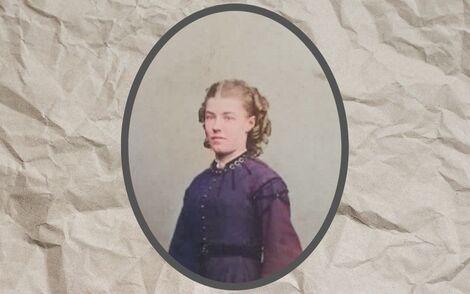
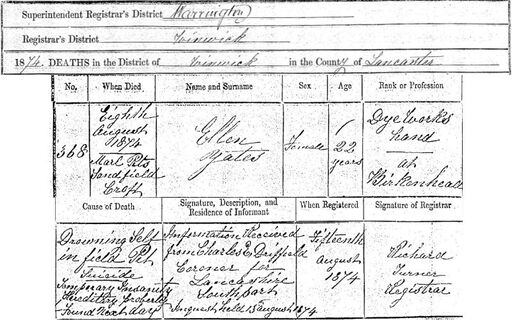
How did Ellen Yates travel to work in Birkenhead from her home in Croft?Those who have read the sad story of Ellen Yates will know that she was employed as a mill hand in Birkenhead, according to her death certificate.
I had assumed she must have travelled there by horseback, or even walking. Somebody else suggested that she may have had lodgings in Birkenhead, which is also possible. It is unlikely we will ever know for certain how she travelled to work and how often, but I wanted to look further into it. I came across an advertisement in a copy of the Leigh Chronicle from 1856 showing train times and prices. 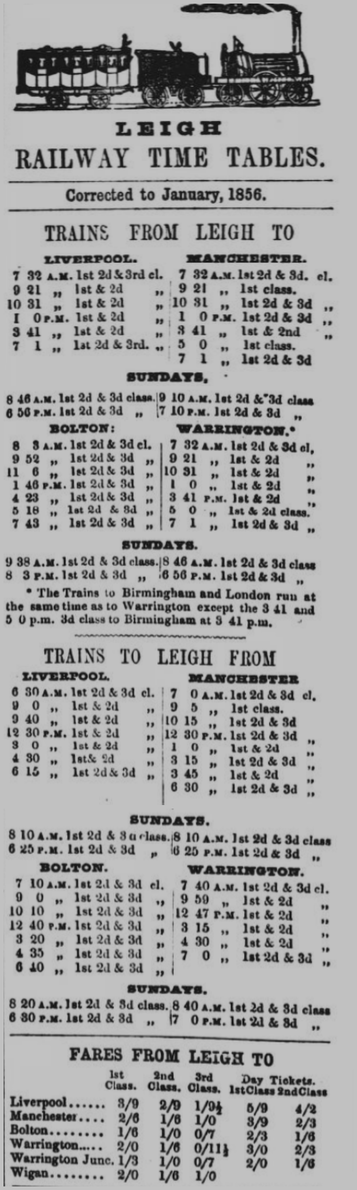
Article from Leigh Chronicle, 1856
Leigh would probably still have been too far out for her to walk, though she did have family in Leigh at the time.
Culcheth Station wasn’t opened until 1884, after her death, which ruled out her travelling from there. I then found that another local station, Kenyon Junction Station, had been open to the public from 1831. An estimate of the distance from where she lived (Hop Pole Farm) to Kenyon Junction is about two and a half miles, which she could have easily walked. The train journey took one hour and forty minutes, meaning a long day for her if this was the method she used. The Kenyon Junction Station was on the Liverpool to Manchester Line and there were many routes to Birkenhead mills available from Liverpool Crown Street Station. 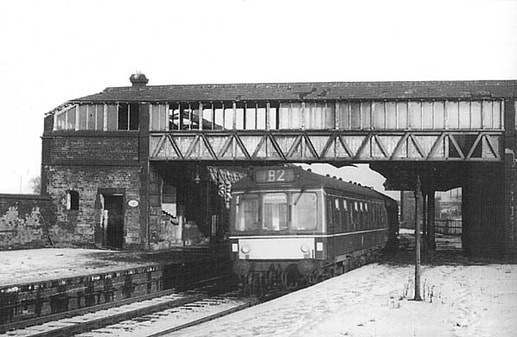
Kenyon Junction Station. Photograph courtesy of Lowton Websites.
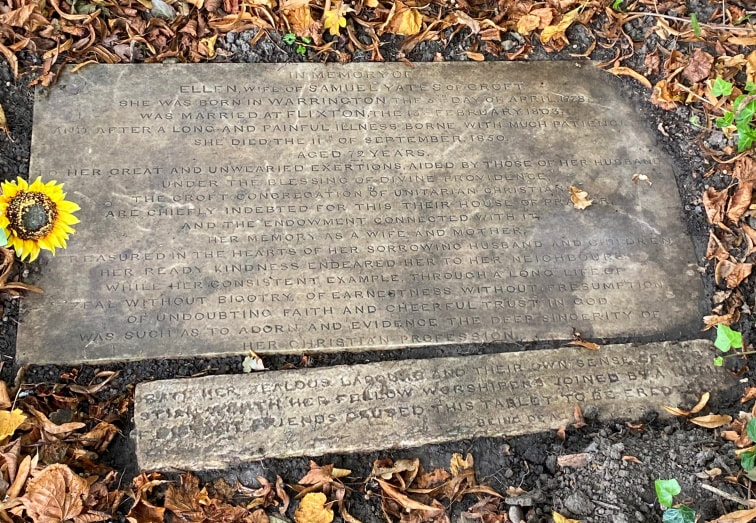
The marble tablet in memory of Ellen Yates
Obituary1850 September 11th, at Croft, near Warrington, Mrs. ELLEN YATES, wife of Mr. Samuel Yates, farmer, of that place.
The death of Mrs. Yates demands more than a passing notice in our obituary. She was born in Warrington, on the 5th April, 1778. Her maiden name was Urmston, and her parents were working people in that town. At the early age of nine years she went to service in the house of the late Rev. Aspinall, minister of the then Risley congregation. On the death of Mrs. Aspinall, which took place a few years after, such was the care, foresight, prudence and industry manifested by the young servant, that Mr. Aspinall continued her in his service as housekeeper until her marriage with Mr. Yates, which took place at Flixton, on the 13th February, 1803. She was the mother of ten children, six of whom survive her. In 1838, the Independents, amongst other of their nefarious attempts to wrest our chapels from the descendants of those who built them, succeeded in the case of Risley chapel, though they failed in their efforts to connect it with their own body, as the Scotch Presbyterians eventually got a minister of their own appointed to it. 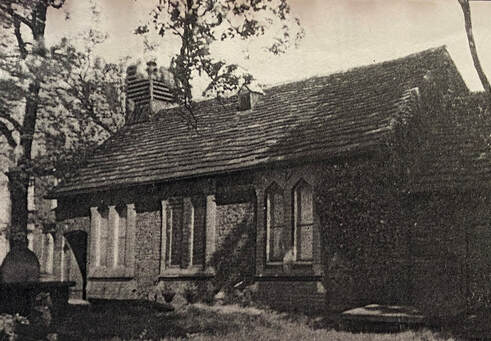
Risley Chapel
On this event, Mr. and Mrs. Yates, with that zeal which so eminently characterized their lives, opened their house for divine worship on Sundays; and for nearly a year service was carried on by supplies, chiefly from Warrington, but occasionally from other neighbouring places.
Mrs. Yates, moved with a holy zeal on behalf of the Unitarian cause, determined in her own mind that a chapel should be built for the dispossessed congregation of which she was a member; and, disclosing her intentions to some of her more immediate friends, received such encouragement as to induce her to proceed in the work with vigour. With no other influence than the native eloquence of a devoted heart, and strengthened by her faith in God's providence, she successively visited Warrington, Manchester, Dukinfield, Bolton, Bury, Walmsley, Liverpool, Hindley, Rivington and Chowbent-her husband assisting her in Manchester, Gorton and Hyde - and succeeded in raising upwards of £500 for the purpose. To save expense, she frequently walked great distances in these journeys, not unfrequently returning home through the dark and dirty lanes of the country, tired and wet, at nine, ten, eleven, and even twelve o'clock at night. Her zeal, combined with great simplicity and moderation, roused a public feeling in her favour. The late Holbrook Gaskell Esq. of Warrington, when he saw her determined earnestness in the work, consented to become the Treasurer of the fund. The late Mr. Blackburne, of Rhyl, who had an estate in Croft, a township adjoining Risley, and conveniently situated for the purpose, gave the land, which also supplied clay for the bricks. Workmen were employed, many of the congregation helping as opportunity served, and in less than a year a very neat and suitable building, with school-rooms attached, was erected; and the opening services, on September 27th and 29th 1839, were conducted by the Rev. J. Martineau and the Rev. J. H. Thom, of Liverpool; and very handsome collections made, which, with the balance of subscriptions collected by Mr. and Mrs. Yates, produced an endowment of £200, to aid in carrying on the permanent services of the chapel. The delight she experienced in joining with her fellow Christians in the worship of God, made her a constant attendant at the chapel as long as health and strength remained to her. 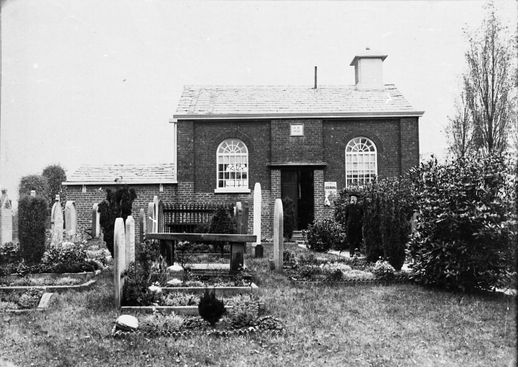
Croft Unitarian Chapel
On one occasion, after spending a Saturday in Manchester, collecting money for the building of the chapel, she arrived at the railway station just after the last train had started; but rather than not be in her accustomed place in the Sunday meetings that were then held in her own house, she resolutely determined to walk the whole distance, about 18 miles, and reached home about two o'clock in the morning. She took great interest in the Sunday schools and taught there till her growing infirmities kept her at home. First her eyesight declined, till she became quite blind; and then she was afflicted with a painful cancer in her back, which at length brought her useful and valuable life to a close. Patience and resignation to the Divine Will ever accompanied her sufferings. Her interest in the welfare of her fellow creatures remained with all the force her declining faculties would allow, until at length she fell asleep in Jesus, on September 11th, 1850, aged 72 years. The Croft congregation, desirous of commemorating her zeal and usefulness, commenced a subscription for a plain marble tablet, and, with the assistance of a numerous body of friends in Warrington, Liverpool, Manchester, Bury, Dukinfield, Knutsford and other places have nearly succeeded in their object. It will be a plain marble slab, fixed in the wall above the pew she usually occupied in the chapel, and will bear the following inscription: IN MEMORY OF ELLEN, THE WIFE OF SAMUEL YATES OF CROFT. SHE WAS BORN IN WARRINGTON ON THE 5TH DAY OF APRIL 1778 WAS MARRIED AT FLIXTON, THE 13TH FEBRUARY 1803 AND AFTER A LONG AND PAINFUL ILLNESS BORNE WITH MUCH PATIENCE SHE DIED THE 11TH SEPTEMBER 1850, AGED 72 YEARS HER GREAT AND UNWEARIED EXERTIONS AIDED BY THOSE OF HER HUSBAND UNDER THE BLESSING OF DIVINE PROVIDENCE THE CROFT CONGREGATION OF UNITARIAN CHRISTIANS ARE CHIEFLY INDEBTED FOR THEIR HOUSE OF PRAYER AND THE ENDOWMENT CONNECTED WITH IT HER MEMORY AS A WIFE AND MOTHER TREASURED IN THE HEARTS OF HER SORROWING HUSBAND AND CHILDREN HER READY KINDNESS ENDEARED HER TO HER NEIGHBOURS WHILE HER CONSISTENT EXAMPLE THROUGH A LONG LIFE OF ZEAL WITHOUT BIGOTRY, OF EARNESTNESS WITHOUT PRESUMPTION, OF UNDOUBTING FAITH AND CHEERFUL TRUST IN GOD WAS SUCH AS TO ADORN AND EVIDENCE THE DEEP SINCERITY OF HER CHRISTIAN PROFESSION. TO COMMEMORATE HER ZEALOUS LABOUR AND THEIR OWN SENSE OF HER GREAT CHRISTIAN WORTH HER FELLOW WORSHIPERS JOINED BY A NUMEROUS BODY OF DISTANT FRIENDS CAUSED THIS TABLET TO BE ERECTED BEING DEAD SHE YET SPEAKETH What are Listed Buildings?Listing marks and celebrates a building's special architectural and historic interest, and also brings it under the consideration of the planning system, so that it can be protected for future generations.
The older a building is, and the fewer the surviving examples of its kind, the more likely it is to be listed. Historic England makes recommendations to the Secretary of State for Digital, Culture, Media and Sport and they make the final decision as to whether a building should be listed or not.
As well as listed buildings, there are Local Listings and Local Heritage Assets and Historic Environment Records.
Local listing helps to raise the profile of local heritage by identifying heritage assets that are of greatest importance to local people. Local heritage assets can range from buildings, designed landscapes, archaeology and elements of the natural environment. The Historic Environment Record (HER) is the record of all known designated and non-designated archaeological sites and historic landscapes.It includes sites dating from prehistory through to the military remains of the more recent past. Croft Listed BuildingsThere are 13 listed buildings in Croft, all of these are Grade II.
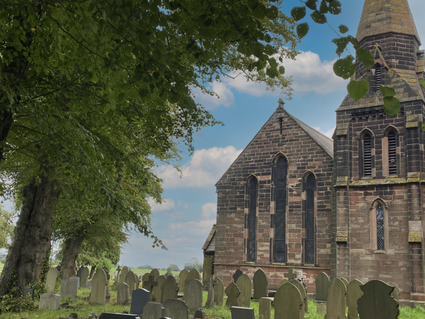
Christ Church, Croft
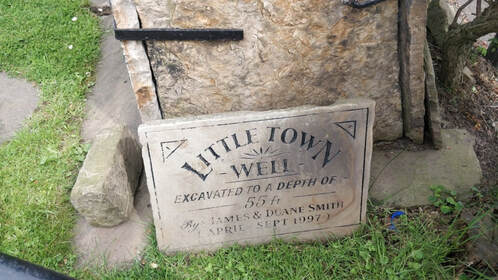
Little Town Well, Mustard Lane
Croft Historic Environment RecordsThere are 7 Historic Monument records in Croft, 3 of these being the sites of the accomodation for the Royal Ordnance Factory at Risley. These are now the Emerald Drive estate, Taylor Business Park and HMP Risley.
The site of HMS Ariel is another listing. The former Croft Unitarian Chapel and its burial ground are both listed. The final one is a ditched enclosure at Southworth Hall Farm. Croft Local ListingsThere are 19 local listings in Croft.
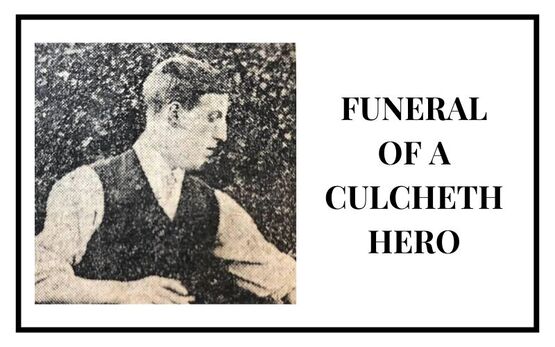
WARRINGTON EXAMINER
|
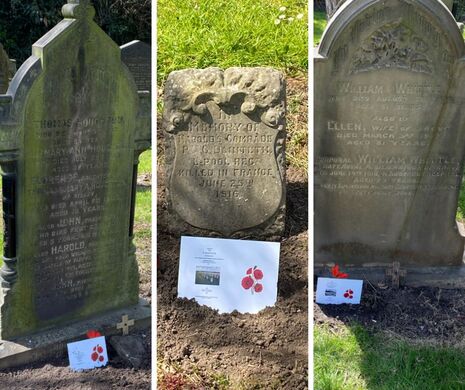
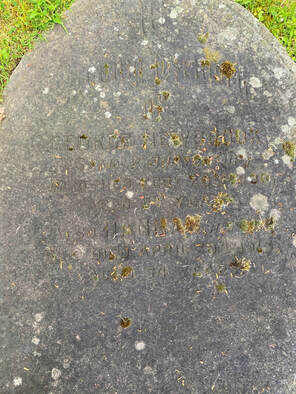
The grave of George Newbrook at Christ Church
|
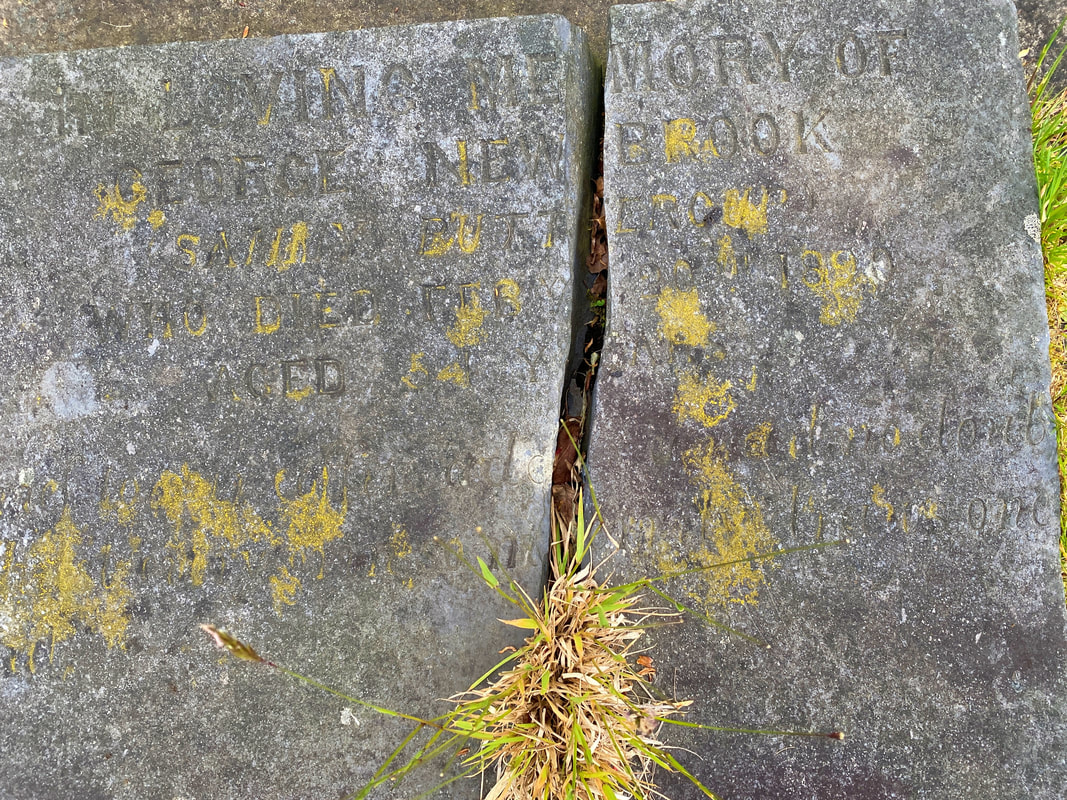
The original stone
The original 2' square stone, made of slate, must have been unsuitable from damage and was replaced with the ledger stone. Later, the original was restored and added to the ledger. It has on it the quote:
“Grief to our coffin adds a nail, no doubt; Whilst every grin, so merry, draws one out.” |
LEIGH CHRONICLE & WEEKLY DISTRICT ADVERTISER
FRIDAY 9TH MARCH 1888
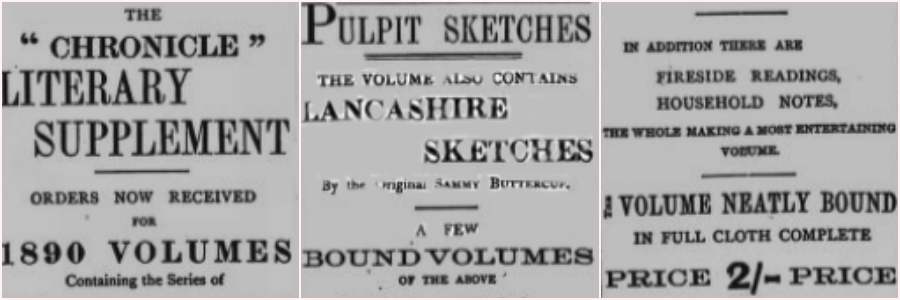
LANCASHIRE SKETCHES
No. XXXII – LITTLE BILLY
BY THE ORIGINAL SAMMY BUTTERCUP
Aw'm beawn to tell yo a bit ov a tale abeawt a chap at Croft, that bootiful little sitty ut lics abeawt six mile fro Leighth, 3,022 fro New York, an five fro Warrinton.
Neaw aw may as weel tell yo as heaw Croft's a varry aynshunt place, an th' reeason on't not bein menshund i'th Hist'ry o' Hinglond is bocose thoose ut wrote it didno goo to th' trubble o' payin it a visit to mak enquiries.
Neaw iv yo'll look i' Scriptur yo'll find it sez summat abeawt Moses bein fun i' some bullrushes, but it doesno say eggsactly wheer thoose rushes wur; but, iv aw remember reight, thoose rushes wur asoide o' where th' Booard Skoo is neaw, tho' th' rushes wur taen away mony a year sin to mak porayter hampers on.
Then agean, in another place, yo'll find summat abeawt Jonah swallerin a whale; but that's sich greyt while sin ut thers no trace left i' Croft o' noather Jonah nor t' whale, an th' lond bein plow'd up so mich so as to plant green peighs an carrots, its mich iv they ever find ony trace on't.
In another place yo find it menshund abeawt Jacob's ladder. Neaw thers a greyt mony ladders i' Croft, an they'n getten mixt up so mich ut thers no tellin which wur Jacob's ladder.
Neaw thers an owd smithy at Croft-bin theer monya hunderd year -- an accordin to th' Hist'ry o' Lankesher, it wur at this smithy wheer Oliver Crummell stopt to get shoon put on his hosses when he wur on his rode to Preston. When th' hosses ud getton their shoon on, he marcht his army to Leighth, an ther wur feet marks ov his cannon wheels uppoth hee rode for mony a year after, but thers no trace left on um neaw.
Oliver Crummell stopt o neet at th' King's Arms, Leighth, an th' next mornin, after he'd blown Whalley Abbey deawn, an Windleshaw Abbey, Sant Helen, he marcht his sowgers to l'reston.
Aw'm gettin off mi tale a bit, but as Croft wur a varry nooated place i' owden toimes, an nob'dy seeums to know mich abeawt it at th' present toime, aw think its just as weel to gie my readers a bit ov a descripshun on't.
It's not a varry largely-populated place, an at th'present toime its mooastly populated wi men, wimmin,an childer. Ov course thers a toothri hosses an keaws,an a toothri pigs an fowl, an loikewoise horn'd ponies an a four-legg'd cock, but aw dunno want to enter into nat’ral hist’ry.
Neaw ther's some varry owd inhabitants at Croft - some on ums bin livin theer ever sin they flit fro some-wheer else, au some's lived theer o ther loif-an its varry seldom ut a deeath taks place theer, becose its sich a healthy little spot.
Yo seen they get th' sea breeze fro th' Isle o' Mon every mornin bi t’ fust train, an th' climate theer doesno vary so mich-thermometers theer never goo deawn aboon 90 degrees below zero i'winter, nor aboon 327 n ‘arf i' summer.
Ther isno a doctor for miles, becose they dunno need ony. Thers noather warkheawses, ragged skoos, infirmaries, nor prisons, an th' inhabitants behave theirsels so weel ut it nobbut needs one poleesmon.
Some foak may happen think ut thers no building at Croft nobbut a toothri farm-heawses ; but lemmi tell yo ut thers a grond brewery theer, wi twelve acres ov a orchard attatch'd to't, wheer they con get moor gooseberries i'th seeason nor what ud mak apple dumpling enuf to feed o Lankesher.
Then thers a Church, a Catholic Chapel, a Unitarian Chapel, a Booard Skoo, a Pooast Offis, a Penny Bank, a Burial Society, Horticultural Society, an a Oldfellas' Lodge, but aw conno understond these Oddfellas at o, becose they're welly o married men.
Th' "Charge of the Light Brigade" took place at Croft. Aw dunno meean thoose " noble six hundred, becose ther wur aboon six theausand o' these, an Paddy Flynn wur chargin un wi a leeted candle an a toastin-fork, an it wur set deawn i' hist'ry as th' " Massacre of the Innocents."
Th' Battle o' Wayterloo wur fowten somewhere between Charley Wild's Farm an th' General Elliot Hotel, an th' Hindyun Mutiny took place in a field belungin to Measter Sankey.
Dick Turnip stopt o neet at Croft when he wur on his rode fro Lunnon to York, an th' Mail Coach fro Liverpool to Jerusalem used to stop three days so as th'passengers could goo o' getherin strawberries.
Ther used to be a deol o' weyvin an fustin-cuttin i'Croft, an th' King o' Shanty onest went theer to be mezzerd for a numbrell an a pair o' breeches.
Aw've just dropt across a bit o' poetry abeawt Croft, ut wur written bi oather Lungfella or Shortfella, somewheer abeawt th' toime o'th fust Revolushun i'Seringapotater, so aw'l just gie yo a copy on't :-
CROFT
Thers a little spot co'd Croft,
O, aw've bin theer varry oft,
Its as nice a little spot as e'er wur seen ;
With its ripplin brooks an rills,
With joy my heart it fills,
An its grond i' summer, when its fields are green.
Thers ponies theer wi horns,
A farmer plagued wi corns,
An a cock ut struts abeawt wi four legs ;
A clock i'th frunt o'th skoo,
Tho' too lazy for to goo,
An a duck they sen ut oft lays gowden eggs.
Then thers Polly Ann McGuire,
With a yead as red as foyar,
Thers Paddy Flynn an Jeremy O'Neil ;
An thers little Jonty Roe,
Wi a blister on his toe,
An a greyt big mustard playster on his heel.
Thers a farmer theer wi't gout,
An his woife waynt let him out,
An a widder woman wi a wooden leg,
An then thers Jemmy G .,
Sometoimes he gets on th' spree,
An tho' wealthy oftoimes bacco he will beg.
Thers another chap --- Pee Heyes --
He's a boy for heytin peighs,
An little Sammy Yates goos killin pigs ;
Then thers little Jemmy Shaw,
He loikes a bit o' jaw,
An he's varry fond o' doncin Irish jigs.
An thers Charley Wild -aw'm sure
He is a perfect cure-
But as good a bit o' comp'ny as yo'il find ;
He could tell yo mony a tale
As ud mak yo'r face turn pale,
An he sez keaws' tails are allus hung behind.
Jemmy Johnson keeps a farm,
An he's seven cats i'th barn,
He sez he keeps um theer the rats to scare;
Then thers Roddy wi his gun,
Sometoimes he has some fun --
He one toime kill'd a hedgehog for a hare.
But to mi tale.
Little Billy warks at that smithy " hereinbefore menshund," as th' lawyers sez. He's a varry quiet an daysent soart ov a chap, an aw'm sartin his woife's getten a good husband.
Neaw Billy wauks abeawt two mile to his wark in a mornin an two mile back agean at neet, an he's never missin nobbut when he's absent.
His measter wanted to goo whoam a bit sooner tother day, so he towd Billy to put th' hoss i'th trap, an he went to get a gill o' ale while Billy geet it raddy.
After he'd bin i'th aleheawse abeawt hauve an heawr, he went eawt to see what Billy wur doin, an he fun him stondin theer lookin gradely puzzled.
"Is it raddy yet, Billy ?" th' measter axt.
" Aye, aw think it'll do neaw, " sed Billy.
" But what's this doin here ?" th' measter sed, when he seed th' hoss's collar lyin uppoth floor.
" Why, aw couldno find a place for that," sed Billy, "an aw thowt it ud happen do witheawt."
" But it'll not do witheawt," sed his measter, "look sharp an get it on, becose aw want to be gooin."
" Wheer does it goo!" sed Billy, as he poikt th'collar up an lookt at it.
" Why, it goos on it neck, to be sure," sed his measter, an then he went in for another gill.
Billy pood th' yead gear off th' hoss an tried to put th' collar on, but he kept th' narrow eend up, an for o he kept thrutchin an swattin, an welly shuved th' hoss i'th doytch, he couldno get th' collar o'er it yead.
" Aw'll be heng'd iv aw con understond this," sed Billy to hissel, as he stared fust at th' collar an then th'hoss's vead, "this here's oather gone less or else th'hoss's yead's gone bigger.But it happen doesno goo o'er it yead, " he sed, as a fresh thowt struck him.
Then he took th' hoss eawt o'th trap, an geet booath it hinder legs throo t' collar, an tried to get it on that rode, but it wur no use, for when he geet it up to it tail he couldno get it no furr.
"Its no use tryin, " he sed to hissel, as he clapt th'collar uppoth floor, "thers summat wrang somewheer. Aw darst bet th’ Bank o’ Hinglond, Iv aw had it, ut that hoss wern't mezzer'd for this collar.'
Th' measter coom cawt agean in a bit to see iv trap wur raddy, but it wur just same as it wur afoar.
" Hasn to getten that collar on yet, Billy ?" he sed.
" Nawe, " sed Billy, "an aw'd loike to see th' chap as con put it on.
"Put it on ? Why, it goos on yezzy enuf," sed th' measter, as he geet howd o'th collar and slipt it o'er th' hoss's yead, an Billy stood starein at him loike a thunner-struck grasshopper.
Billy couldno gie o’er thinkin abeawt th' hoss's collar. It wur th' topmost thing in his mind o neet, in fact he actily dreamt abeawt it that neet, geet up in his sleep, an wakken'd th' woife wi tryin to shuve th' hondle o'th kettle o'er her yead.
Then ther wur a gradely flare-up, becose th' woife thowt as heaw he wur tryin to murder her, till Billy wakken'd an towd her abeawt th' hoss's collar.
Heawever, things are o reight agean neaw, an Billy ul know heaw to put a collar on i' futur.
Neaw aw may as weel tell yo as heaw Croft's a varry aynshunt place, an th' reeason on't not bein menshund i'th Hist'ry o' Hinglond is bocose thoose ut wrote it didno goo to th' trubble o' payin it a visit to mak enquiries.
Neaw iv yo'll look i' Scriptur yo'll find it sez summat abeawt Moses bein fun i' some bullrushes, but it doesno say eggsactly wheer thoose rushes wur; but, iv aw remember reight, thoose rushes wur asoide o' where th' Booard Skoo is neaw, tho' th' rushes wur taen away mony a year sin to mak porayter hampers on.
Then agean, in another place, yo'll find summat abeawt Jonah swallerin a whale; but that's sich greyt while sin ut thers no trace left i' Croft o' noather Jonah nor t' whale, an th' lond bein plow'd up so mich so as to plant green peighs an carrots, its mich iv they ever find ony trace on't.
In another place yo find it menshund abeawt Jacob's ladder. Neaw thers a greyt mony ladders i' Croft, an they'n getten mixt up so mich ut thers no tellin which wur Jacob's ladder.
Neaw thers an owd smithy at Croft-bin theer monya hunderd year -- an accordin to th' Hist'ry o' Lankesher, it wur at this smithy wheer Oliver Crummell stopt to get shoon put on his hosses when he wur on his rode to Preston. When th' hosses ud getton their shoon on, he marcht his army to Leighth, an ther wur feet marks ov his cannon wheels uppoth hee rode for mony a year after, but thers no trace left on um neaw.
Oliver Crummell stopt o neet at th' King's Arms, Leighth, an th' next mornin, after he'd blown Whalley Abbey deawn, an Windleshaw Abbey, Sant Helen, he marcht his sowgers to l'reston.
Aw'm gettin off mi tale a bit, but as Croft wur a varry nooated place i' owden toimes, an nob'dy seeums to know mich abeawt it at th' present toime, aw think its just as weel to gie my readers a bit ov a descripshun on't.
It's not a varry largely-populated place, an at th'present toime its mooastly populated wi men, wimmin,an childer. Ov course thers a toothri hosses an keaws,an a toothri pigs an fowl, an loikewoise horn'd ponies an a four-legg'd cock, but aw dunno want to enter into nat’ral hist’ry.
Neaw ther's some varry owd inhabitants at Croft - some on ums bin livin theer ever sin they flit fro some-wheer else, au some's lived theer o ther loif-an its varry seldom ut a deeath taks place theer, becose its sich a healthy little spot.
Yo seen they get th' sea breeze fro th' Isle o' Mon every mornin bi t’ fust train, an th' climate theer doesno vary so mich-thermometers theer never goo deawn aboon 90 degrees below zero i'winter, nor aboon 327 n ‘arf i' summer.
Ther isno a doctor for miles, becose they dunno need ony. Thers noather warkheawses, ragged skoos, infirmaries, nor prisons, an th' inhabitants behave theirsels so weel ut it nobbut needs one poleesmon.
Some foak may happen think ut thers no building at Croft nobbut a toothri farm-heawses ; but lemmi tell yo ut thers a grond brewery theer, wi twelve acres ov a orchard attatch'd to't, wheer they con get moor gooseberries i'th seeason nor what ud mak apple dumpling enuf to feed o Lankesher.
Then thers a Church, a Catholic Chapel, a Unitarian Chapel, a Booard Skoo, a Pooast Offis, a Penny Bank, a Burial Society, Horticultural Society, an a Oldfellas' Lodge, but aw conno understond these Oddfellas at o, becose they're welly o married men.
Th' "Charge of the Light Brigade" took place at Croft. Aw dunno meean thoose " noble six hundred, becose ther wur aboon six theausand o' these, an Paddy Flynn wur chargin un wi a leeted candle an a toastin-fork, an it wur set deawn i' hist'ry as th' " Massacre of the Innocents."
Th' Battle o' Wayterloo wur fowten somewhere between Charley Wild's Farm an th' General Elliot Hotel, an th' Hindyun Mutiny took place in a field belungin to Measter Sankey.
Dick Turnip stopt o neet at Croft when he wur on his rode fro Lunnon to York, an th' Mail Coach fro Liverpool to Jerusalem used to stop three days so as th'passengers could goo o' getherin strawberries.
Ther used to be a deol o' weyvin an fustin-cuttin i'Croft, an th' King o' Shanty onest went theer to be mezzerd for a numbrell an a pair o' breeches.
Aw've just dropt across a bit o' poetry abeawt Croft, ut wur written bi oather Lungfella or Shortfella, somewheer abeawt th' toime o'th fust Revolushun i'Seringapotater, so aw'l just gie yo a copy on't :-
CROFT
Thers a little spot co'd Croft,
O, aw've bin theer varry oft,
Its as nice a little spot as e'er wur seen ;
With its ripplin brooks an rills,
With joy my heart it fills,
An its grond i' summer, when its fields are green.
Thers ponies theer wi horns,
A farmer plagued wi corns,
An a cock ut struts abeawt wi four legs ;
A clock i'th frunt o'th skoo,
Tho' too lazy for to goo,
An a duck they sen ut oft lays gowden eggs.
Then thers Polly Ann McGuire,
With a yead as red as foyar,
Thers Paddy Flynn an Jeremy O'Neil ;
An thers little Jonty Roe,
Wi a blister on his toe,
An a greyt big mustard playster on his heel.
Thers a farmer theer wi't gout,
An his woife waynt let him out,
An a widder woman wi a wooden leg,
An then thers Jemmy G .,
Sometoimes he gets on th' spree,
An tho' wealthy oftoimes bacco he will beg.
Thers another chap --- Pee Heyes --
He's a boy for heytin peighs,
An little Sammy Yates goos killin pigs ;
Then thers little Jemmy Shaw,
He loikes a bit o' jaw,
An he's varry fond o' doncin Irish jigs.
An thers Charley Wild -aw'm sure
He is a perfect cure-
But as good a bit o' comp'ny as yo'il find ;
He could tell yo mony a tale
As ud mak yo'r face turn pale,
An he sez keaws' tails are allus hung behind.
Jemmy Johnson keeps a farm,
An he's seven cats i'th barn,
He sez he keeps um theer the rats to scare;
Then thers Roddy wi his gun,
Sometoimes he has some fun --
He one toime kill'd a hedgehog for a hare.
But to mi tale.
Little Billy warks at that smithy " hereinbefore menshund," as th' lawyers sez. He's a varry quiet an daysent soart ov a chap, an aw'm sartin his woife's getten a good husband.
Neaw Billy wauks abeawt two mile to his wark in a mornin an two mile back agean at neet, an he's never missin nobbut when he's absent.
His measter wanted to goo whoam a bit sooner tother day, so he towd Billy to put th' hoss i'th trap, an he went to get a gill o' ale while Billy geet it raddy.
After he'd bin i'th aleheawse abeawt hauve an heawr, he went eawt to see what Billy wur doin, an he fun him stondin theer lookin gradely puzzled.
"Is it raddy yet, Billy ?" th' measter axt.
" Aye, aw think it'll do neaw, " sed Billy.
" But what's this doin here ?" th' measter sed, when he seed th' hoss's collar lyin uppoth floor.
" Why, aw couldno find a place for that," sed Billy, "an aw thowt it ud happen do witheawt."
" But it'll not do witheawt," sed his measter, "look sharp an get it on, becose aw want to be gooin."
" Wheer does it goo!" sed Billy, as he poikt th'collar up an lookt at it.
" Why, it goos on it neck, to be sure," sed his measter, an then he went in for another gill.
Billy pood th' yead gear off th' hoss an tried to put th' collar on, but he kept th' narrow eend up, an for o he kept thrutchin an swattin, an welly shuved th' hoss i'th doytch, he couldno get th' collar o'er it yead.
" Aw'll be heng'd iv aw con understond this," sed Billy to hissel, as he stared fust at th' collar an then th'hoss's vead, "this here's oather gone less or else th'hoss's yead's gone bigger.But it happen doesno goo o'er it yead, " he sed, as a fresh thowt struck him.
Then he took th' hoss eawt o'th trap, an geet booath it hinder legs throo t' collar, an tried to get it on that rode, but it wur no use, for when he geet it up to it tail he couldno get it no furr.
"Its no use tryin, " he sed to hissel, as he clapt th'collar uppoth floor, "thers summat wrang somewheer. Aw darst bet th’ Bank o’ Hinglond, Iv aw had it, ut that hoss wern't mezzer'd for this collar.'
Th' measter coom cawt agean in a bit to see iv trap wur raddy, but it wur just same as it wur afoar.
" Hasn to getten that collar on yet, Billy ?" he sed.
" Nawe, " sed Billy, "an aw'd loike to see th' chap as con put it on.
"Put it on ? Why, it goos on yezzy enuf," sed th' measter, as he geet howd o'th collar and slipt it o'er th' hoss's yead, an Billy stood starein at him loike a thunner-struck grasshopper.
Billy couldno gie o’er thinkin abeawt th' hoss's collar. It wur th' topmost thing in his mind o neet, in fact he actily dreamt abeawt it that neet, geet up in his sleep, an wakken'd th' woife wi tryin to shuve th' hondle o'th kettle o'er her yead.
Then ther wur a gradely flare-up, becose th' woife thowt as heaw he wur tryin to murder her, till Billy wakken'd an towd her abeawt th' hoss's collar.
Heawever, things are o reight agean neaw, an Billy ul know heaw to put a collar on i' futur.
CREWE CHRONICLE
SATURDAY 2ND OCTOBER 1875
A WARRINGTON FARMER ASSAULTING HIS WIFE –
Samuel Stretch was charged at the County Police court, Warrington, on Wednesday, with assaulting his wife.
From the evidence it appeared that the defendant, a well-to-do farmer, at Croft, near Warrington, had been drinking heavily for the last two years, and had lately turned his wife out, causing her to sleep in outhouses.
Dr. Spinks and Dr. Fox stated that the defendant was not in a fit state to be able to plead. If he did not change his mode of life, softening of the brain would ensue.
Ultimately, the prosecution withdrew the charge on the above plea, defendant in the meantime to be taken charge of by his friends.
Samuel Stretch was charged at the County Police court, Warrington, on Wednesday, with assaulting his wife.
From the evidence it appeared that the defendant, a well-to-do farmer, at Croft, near Warrington, had been drinking heavily for the last two years, and had lately turned his wife out, causing her to sleep in outhouses.
Dr. Spinks and Dr. Fox stated that the defendant was not in a fit state to be able to plead. If he did not change his mode of life, softening of the brain would ensue.
Ultimately, the prosecution withdrew the charge on the above plea, defendant in the meantime to be taken charge of by his friends.
LEIGH JOURNAL AND TIMES
SATURDAY 22ND SEPTEMBER 1877
OVERCROWDING AT CULCHETH –
On Monday, at the Leigh Petty Sessions, Thomas Larney appeared to a summons charging him with overcrowding at Fowley Common, Culcheth.
Mr. Hamilton, inspector of the Leigh Rural Sanitary Authority, deposed that he visited the defendant’s house on the 24th ult., finding in a bedroom, containing only 936 cubic feet of air space, the defendant, his wife, and four children. In the next room, containing 812 feet of air space, there were seven men lodgers.
On the 9th inst., at a quarter past eleven at night he found eight men in the last named room, and as he entered a ninth was making his exit through the window.
The stench in the place was unbearable, there being no room in the house for lodgers.
The Bench inflicted a fine of 21s. and costs, or one month in default, and ordered that no lodgers be kept hereafter.
James Marsh was summoned under the Nuisance Removal Act, a petty and two pigstyes being built against his property at Fowley Common.
The Bench made an order for the immediate abatement of the nuisance.
On Monday, at the Leigh Petty Sessions, Thomas Larney appeared to a summons charging him with overcrowding at Fowley Common, Culcheth.
Mr. Hamilton, inspector of the Leigh Rural Sanitary Authority, deposed that he visited the defendant’s house on the 24th ult., finding in a bedroom, containing only 936 cubic feet of air space, the defendant, his wife, and four children. In the next room, containing 812 feet of air space, there were seven men lodgers.
On the 9th inst., at a quarter past eleven at night he found eight men in the last named room, and as he entered a ninth was making his exit through the window.
The stench in the place was unbearable, there being no room in the house for lodgers.
The Bench inflicted a fine of 21s. and costs, or one month in default, and ordered that no lodgers be kept hereafter.
James Marsh was summoned under the Nuisance Removal Act, a petty and two pigstyes being built against his property at Fowley Common.
The Bench made an order for the immediate abatement of the nuisance.
LIVERPOOL ECHO
WEDNESDAY 3RD AUGUST 1892
PRESENTATION OF WHITE GLOVES AT WARRINGTON
Today is the date for the Warrington County Petty Sessions. The magistrates were Mr. John Crosfield (in the chair) and Mr. J. J. Bleekly.
The Magistrates Clerk (Mr. Henry Greenall) said that there were no cases to be heard, and it gave him great pleasure to present the chairman with a pair of white kid gloves.
Mr. Crosfield, in reply, thanked Mr. Greenall, and said that he was very pleased that Warrington and the surrounding district were in such an excellent condition, and he hoped that there would be no more cases for the next twelve months.
Mr. Bleekly also congratulated Mr. Crosfield. Mr. Crosfield said he did not think this had ever happened to borough magistrates. Police Constable Chantler, of the Warrington borough police force, said that he never remembered such an occasion. – The borough magistrates sit six days in the week unless, as sometimes happens, there are no cases to be dealt with. The county magistrates sit the first and third Wednesdays in the month, and exercise a jurisdiction over the following townships: - Warrington (extra-municipal), Poulton, Rixton with Glazebrook, Southworth with Croft, Houghton, Culcheth, Cuerdly, Penketh, Sankey and Burtonwood.
Today is the date for the Warrington County Petty Sessions. The magistrates were Mr. John Crosfield (in the chair) and Mr. J. J. Bleekly.
The Magistrates Clerk (Mr. Henry Greenall) said that there were no cases to be heard, and it gave him great pleasure to present the chairman with a pair of white kid gloves.
Mr. Crosfield, in reply, thanked Mr. Greenall, and said that he was very pleased that Warrington and the surrounding district were in such an excellent condition, and he hoped that there would be no more cases for the next twelve months.
Mr. Bleekly also congratulated Mr. Crosfield. Mr. Crosfield said he did not think this had ever happened to borough magistrates. Police Constable Chantler, of the Warrington borough police force, said that he never remembered such an occasion. – The borough magistrates sit six days in the week unless, as sometimes happens, there are no cases to be dealt with. The county magistrates sit the first and third Wednesdays in the month, and exercise a jurisdiction over the following townships: - Warrington (extra-municipal), Poulton, Rixton with Glazebrook, Southworth with Croft, Houghton, Culcheth, Cuerdly, Penketh, Sankey and Burtonwood.

White Gloves with a Judge's Gavel
For over 800 years, the King's and Queen's Judges have been sent on circuit from London to each of the counties to try serious crime. Criminal Justice was at that time and for many centuries after very cruel and barbaric.
Many crimes however minor they seem today were punishable by death. On the few occasions the judges didn’t have to sentence the defendant to death, the sheriff of the county presented judges with a pair of white gloves as a symbol of the purity of the county.
As our Criminal law became much less cruel and death as a sentence much less common during the 19th century the custom was adapted so judges were only presented with White gloves if there was no serious crime at all.
Many crimes however minor they seem today were punishable by death. On the few occasions the judges didn’t have to sentence the defendant to death, the sheriff of the county presented judges with a pair of white gloves as a symbol of the purity of the county.
As our Criminal law became much less cruel and death as a sentence much less common during the 19th century the custom was adapted so judges were only presented with White gloves if there was no serious crime at all.
|
|
© Cheyvonne Bower 2024